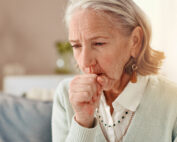
Is Mould Harmful to Health? – Why You Need to Get Away From Mould Now!

Yes — mould can be extremely harmful to health.
Exposure may trigger classic allergy reactions or a deeper condition often termed mould toxicity, where mycotoxins accumulate inside the body. Children, pregnant women, and individuals with compromised immunity are at higher risk.
Make sure you’re fully informed with the information below.
Key takeaway:
Mould exposure isn’t innocuous — it can cause a wide range of serious health effects.
Mould exposure can trigger an allergic response and exacerbate asthma, but prolonged or high-level exposure to damp or mouldy environments is associated with wider health risks such as respiratory infections and, in extreme cases, death (in vulnerable individuals).
The Two Main Pathways: Mould Allergy vs Mould Toxicity
Key takeaway:
There’s a distinction between immediate allergy reactions and longer-term toxicity from mycotoxins—both harmful, but different in mechanism and scope.
Mould Allergy
- Mechanism: Immune system reacts to mould spores as allergens causing allergy symptoms.
- Common symptoms:
- Sneezing, runny or blocked nose
- Itchy, watery eyes
- Cough, wheeze, shortness of breath
- Skin rash, itchy throat
Mould Toxicity
Mechanism: Moulds produce toxins (mycotoxins) which accumulate in the body; this can lead to systemic effects beyond classic allergy.
Common symptoms include:
- Fatigue, brain fog, poor sleep
- Muscle or joint pain, headaches
- Digestive issues, skin issues
- Mood issues, overwhelm
- Sensitivities
- Ice pick sensations
- Internal tremor
- Static shocks
- Fibromyalgia
Symptoms can be vague and overlap with many other conditions, so mould toxicity is often overlooked, instead symptoms being dismissed as “stress,” “burnout,” “hormones,” or general fatigue.
Why Mould Toxicity Is Particularly Insidious
Key takeaway:
Mould toxicity can creep up slowly, masquerade as other conditions, and persist long after exposure ends.
- Mould exposure may be hidden—behind walls, in ventilation, under floors—so you may never see visible mould. Yet mycotoxins can pass through building materials and affect your health.
- Symptoms may develop gradually or accumulate over years, even after exposure has ended, so the connection with exposure is never made.
Knowledge about mould toxicity is still in its infancy and has yet to enter the mainstream, and this lack of awareness leads to many missed diagnoses. - Even after removal of mould, symptoms can persist because mould illness impairs detox capacity, allowing toxins to linger in the body, potentially for years.
- Vulnerable groups: children and pregnant women are more at risk of severe effects.
The Case of Awaab Ishak and the Introduction of Awaab’s Law
Key takeaway:
The fatal death of a child from mould exposure spurred landmark housing regulation in the UK.
In 2020, two-year-old Awaab Ishak died after prolonged exposure to damp and mould in his social housing flat. As a result, Awaab’s Law came into force (from 27 October 2025) requiring social landlords to act quickly on reports of damp and mould, with the aim of radically minimising the length of time that people are exposed. This case emphasises that mould isn’t just a nuisance—it can be fatal in vulnerable people.
Hidden Mould Matters Too
Key takeaway:
You don’t have to see mould to experience harm—the toxins can be invisible.
- Visible mould is only part of the problem; hidden growth behind walls, under floors or in ventilation may release spores and mycotoxins.
- Mycotoxins are tiny and can easily pass through building materials—hence even “clean” surfaces may mask exposure.
- Relying on surface cleaning only may leave the underlying source intact.
Common Myths About Dealing With Mould — and What the Evidence Says
Key takeaway:
Some commonly-heard approaches are ineffective or misleading.
“Bleach kills mould”
Bleach does NOT kill mould. It simply bleaches it. Neither does it fix underlying moisture or hidden growth; guidance states underlying damp must be addressed for proper remediation.
“If I can’t see mould, I’m safe”
Hidden mould can still produce toxins and spores that impact health.
“Mould is only harmful to people with asthma”
While asthma and allergy are major risks, mould toxicity and mycotoxin effects can occur in others too.
“Once I get away from the mould I’ll be fine.”
Many people continue to suffer even after they leave the mouldy environment due to an accumulation of mycotoxins inside their body, sometimes even colonisation.
What You Can Do Right Now if You’re in Mould
Key takeaway:
Take concrete steps to reduce risk and protect your health.
- Get out: Stay with family or friends, find a temporary home, any option that’s available to you, especially if you are pregnant or have children.
Report the mould: If you’re in rented property, report the mould immediately and keep pressure on the agent for prompt action. If mould persists, know your legal rights. - Get a proper inspection: For home owners – get a reputable provider to inspect your home properly to identify the source of the issue and advise on remediation.
Address the cause: Remediate your home or move house. - Watch your health: Take our Mould Illness Questionnaire to assess your health risk.
- Support your body: Basic health measures help — focus on good sleep, good nutrition, and creating restful, relaxing times in your day.
Taking the Next Step
Key takeaway:
Experiencing symptoms of mould illness can be concerning, but support is available.
It’s completely understandable to feel worried if you’re experiencing any of the symptoms above. Mould illness is complex, but there are practical steps you can take to identify exposure, support your body, and begin recovery.
If you want to learn more, you can download our free ebook Is Mould Making You Unwell?, or contact us directly and we’ll help you get the help you need.