Is Mould Harmful to Health? – Why You Need to Get Away From Mould Now!

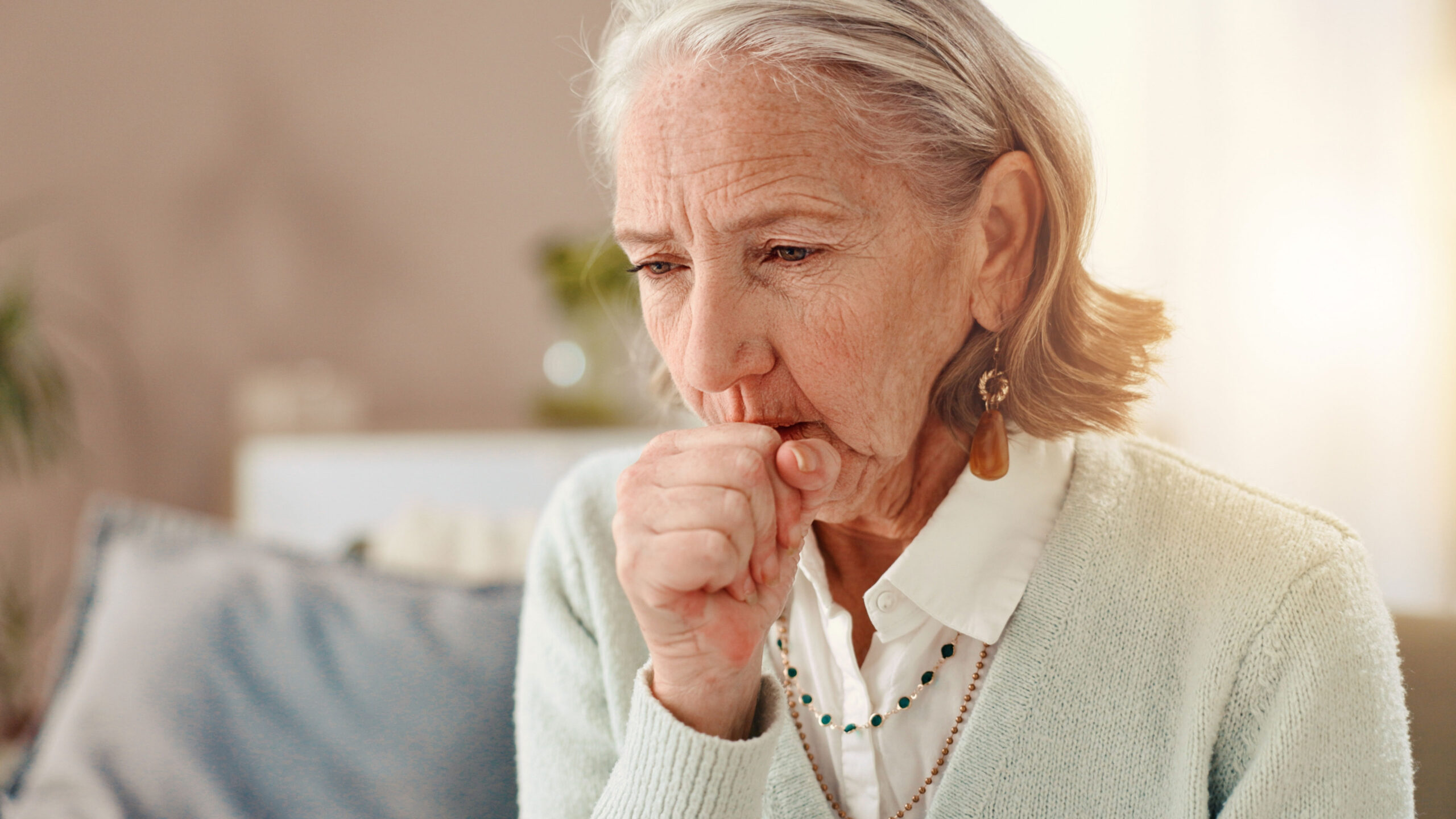
Yes — mould can be extremely harmful to health. Exposure may trigger classic allergy reactions or a deeper condition often termed mould toxicity, where mycotoxins accumulate inside the body. Children, pregnant women, and individuals with compromised immunity are at higher risk. Make sure you’re fully informed with the information below.

By |2025-12-04T19:42:22+00:00December 4, 2025|Public Blog Posts|Comments Off on Is Mould Harmful to Health? – Why You Need to Get Away From Mould Now!

Mould: Gut Symptoms

Mould exposure can significantly affect gut health. When mycotoxins reach your digestive system, they can cause a whole range of digestive symptoms. Recognising these gut symptoms in the context of mould illness is vital to tackling root causes rather than just playing whack-a-mole with stubborn digestive symptoms.

By |2025-12-04T19:40:53+00:00December 4, 2025|Public Blog Posts|Comments Off on Mould: Gut Symptoms

6 Natural Remedies for Mould Toxicity

If you’re dealing with potential mould toxicity, several natural strategies may support your body’s own healing systems - but they’re not a cure. Key steps include removing mould exposure, eating a whole-food diet, adopting a low-tox lifestyle, and using supportive therapies such as detox baths or dry skin brushing. Clear up confusion over misleading online advice & find out why you need a complete programme.

By |2025-12-04T19:40:39+00:00December 4, 2025|Public Blog Posts|Comments Off on 6 Natural Remedies for Mould Toxicity

Mould Allergy Symptoms

Mould allergy symptoms occur when your immune system reacts to mould spores in the air, triggering inflammation in the nose, eyes, lungs, and skin. Reactions can resemble hay fever or asthma and may be worse indoors during damp weather. Understanding mould allergy helps distinguish it from mould toxicity—a separate condition caused by mould’s chemical toxins rather than its spores.

By |2025-12-04T19:40:24+00:00December 4, 2025|Public Blog Posts|Comments Off on Mould Allergy Symptoms

Is There a Blood Test for Mould Illness?

Yes — there are two main blood tests related to mould illness. One identifies allergy to mould spores), and the other detects immune reactions to mycotoxins (toxins produced by mould). Each test provides different information. However, blood tests alone rarely give the full picture, and many practitioners recommend urinary mycotoxin testing as the first step for assessing mould illness.

By |2025-12-04T19:38:15+00:00December 4, 2025|Public Blog Posts|Comments Off on Is There a Blood Test for Mould Illness?

Mould: Rashes, Eczema & Itching

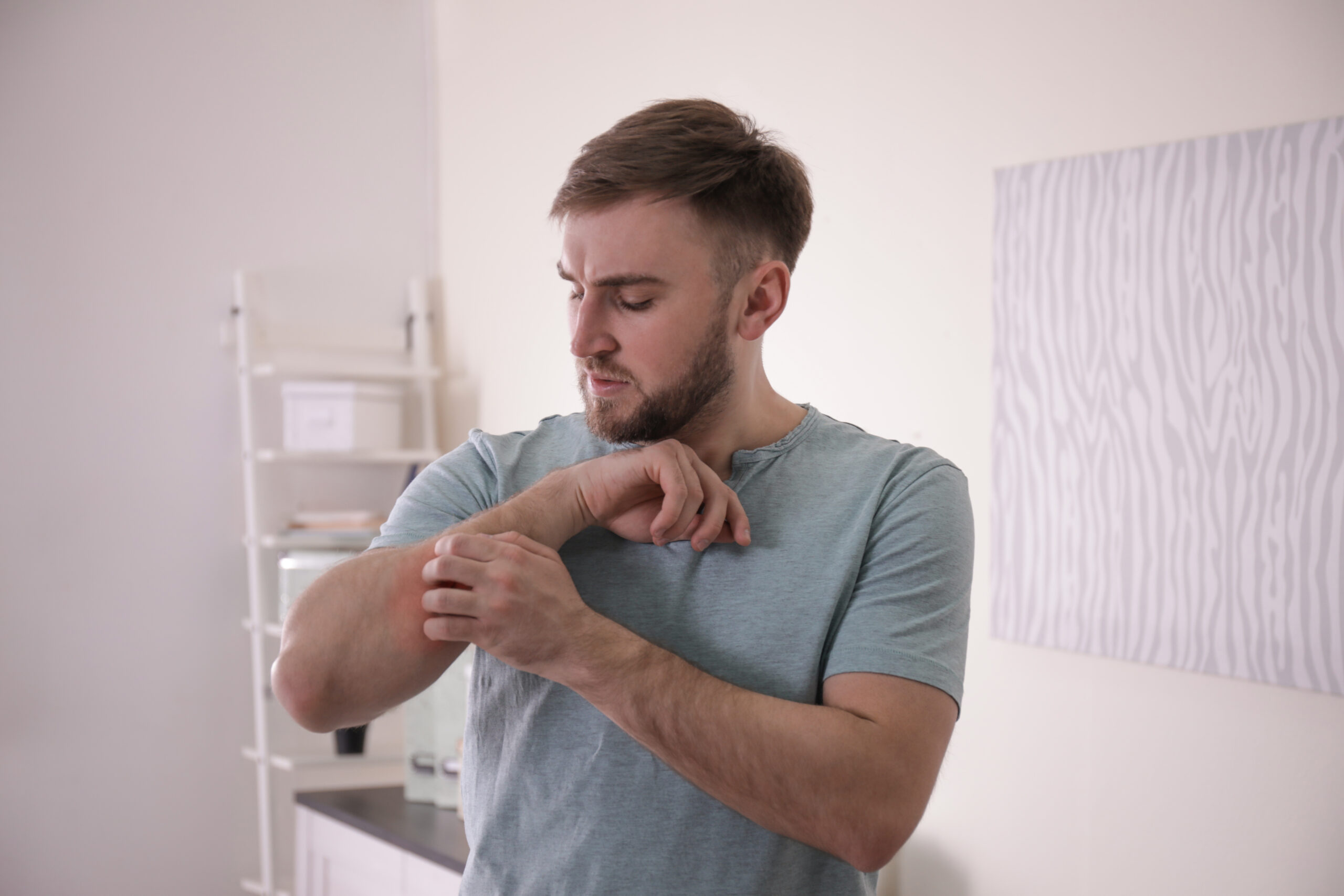
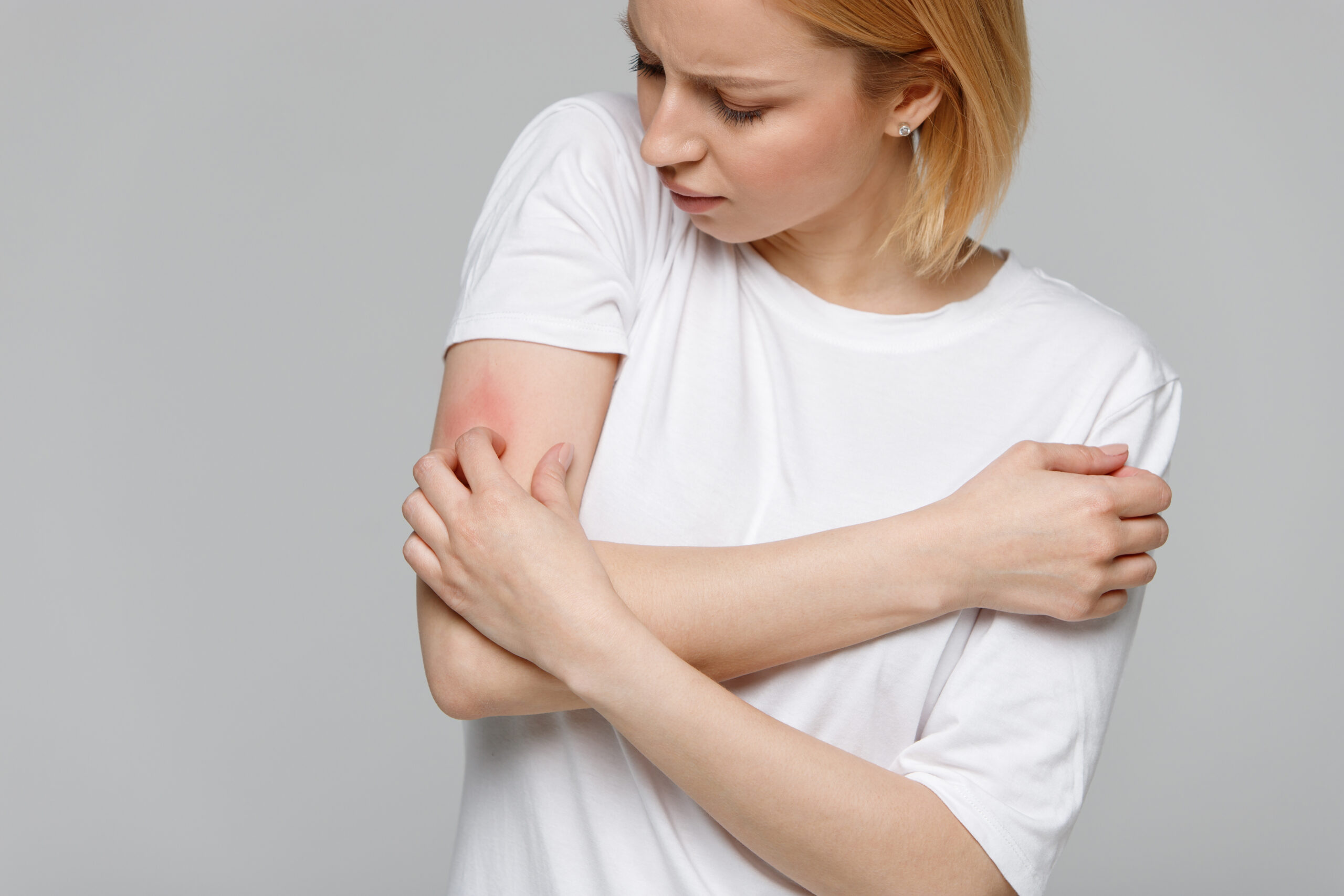
Skin rashes, eczema, and itching are among the most common symptoms linked to mould exposure. Mould and its toxins (mycotoxins) can trigger inflammation, allergic reactions, and immune dysregulation that show up on the skin — even when the problem starts in your environment. If you have chronic or recurring skin issues that resist treatment, it’s worth checking whether mould might be part of the cause.

By |2025-12-04T19:43:37+00:00December 4, 2025|Public Blog Posts|Comments Off on Mould: Rashes, Eczema & Itching

What’s the Best Diet for Mould Toxicity?

While no diet alone can cure mould toxicity, nutrition plays a vital role in supporting recovery. The best diet for mould illness focuses on lowering fungal burden, stabilising blood sugar, and providing key nutrients for detoxification and repair. This means cutting sugar and processed foods, avoiding mould-contaminated or fermented foods, and prioritising nutrient-dense, whole-food meals alongside a comprehensive mould-healing protocol.

By |2025-12-05T13:17:25+00:00December 4, 2025|Public Blog Posts|Comments Off on What’s the Best Diet for Mould Toxicity?

Supplements for Mould Toxicity

When recovering from mould toxicity, supplements can support your body’s natural healing systems—but they’re not a stand-alone solution. A well-rounded protocol typically includes nutrient support, detox support and binders, but must also include mould avoidance, diet and lifestyle changes. Some people may also benefit from mast cell stabilisers, symptomatic support, antifungals, probiotics and bio-film disruptors, which require expert guidance.

By |2025-12-04T15:20:29+00:00November 20, 2025|Public Blog Posts|Comments Off on Supplements for Mould Toxicity

Why Everyone with Fibromyalgia/ME/CFS Should Consider Mould Illness

If you live with any of the above or a similar chronic fatigue-and-pain condition, you should strongly consider whether mould illness could be a hidden factor contributing to your symptoms. A key research paper from 2013 showed that a vast majority of ME/CFS patients had mycotoxins present in their urine. Because mould illness and fibromyalgia/ME/CFS share so many symptoms—fatigue, pain, brain fog—it may be an overlooked root cause.

By |2025-12-04T15:18:34+00:00November 20, 2025|Public Blog Posts|Comments Off on Why Everyone with Fibromyalgia/ME/CFS Should Consider Mould Illness

Four Tell Tale Signs You May Have Mould Toxicity

Certain unusual symptoms can point strongly toward mould toxicity - especially when other causes don’t fit. Four of the most distinctive signs are sharp “ice pick” pains, frequent static shocks, internal vibration, and chronic fatigue or fibromyalgia-like illness. Recognising these signs early can help you uncover hidden mould exposure and take steps toward recovery.

By |2025-12-04T15:14:47+00:00November 20, 2025|Public Blog Posts|Comments Off on Four Tell Tale Signs You May Have Mould Toxicity
Go to Top